Living With a Stone Sample: A Practical UK Guide to Testing Worktop Materials at Home
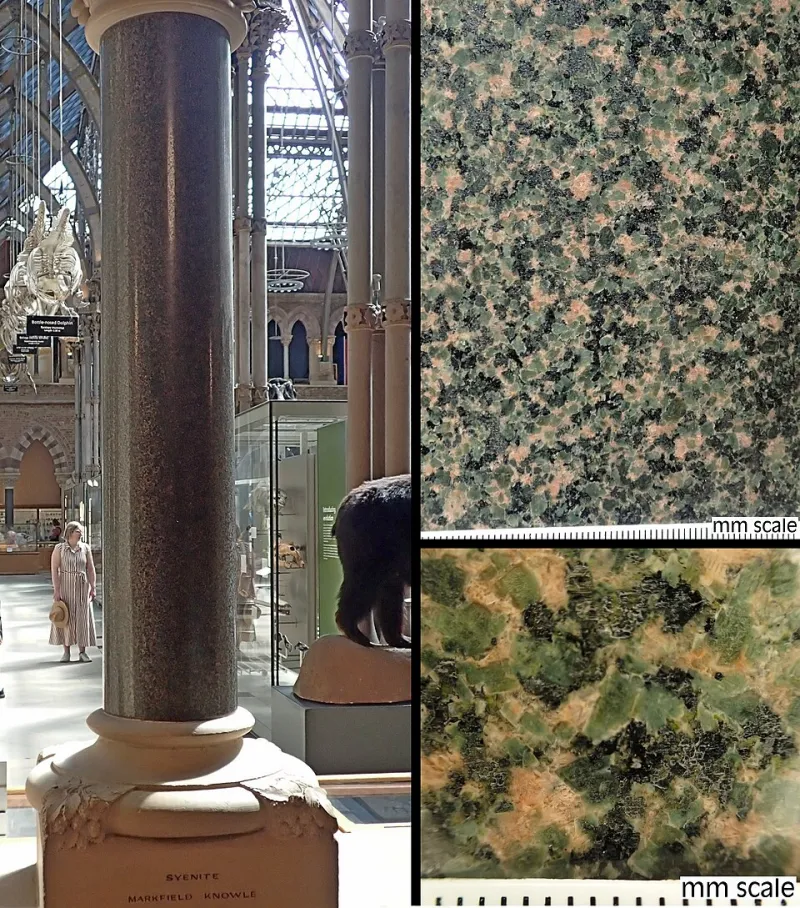
Photo: RobinLeicester, CC BY-SA 4.0, via Wikimedia Commons
Choosing a worktop from a small chip in a showroom is an unreliable way to spend several thousand pounds. Stone changes character with the light, the finish and the batch, and the behaviour that matters most — how it reacts to lemon juice, hot pans and a busy sink — is rarely demonstrated under display lighting. In 2026, samples remain inexpensive and are often supplied free by fabricators and suppliers. The sensible approach is to treat a sample as a fortnight-long trial rather than a colour card.
Begin with more than one piece
Ask for at least two samples of the same material, ideally from different batches. Record any batch or slab reference the supplier provides, because a sample cut from one block tells you little about the next delivery. Request the finish you actually intend to specify: honed and polished surfaces behave differently under spills and show marks in different ways. A 100mm square is the minimum useful size; an A5 offcut is better. For engineered quartz and sintered stone, ask for a piece with a factory edge, since edge quality and chipping resistance are part of what you are buying.
Be precise about terminology. Quartz usually means engineered quartz, a resin-bound composite. Quartzite is a natural stone and behaves more like marble or granite depending on its composition. Confusing the two at sample stage is a common and expensive mistake.
See the sample in the light it will live in
Place each sample on the existing worktop or a similar surface and view it at different times of day. A north-facing kitchen will render white marble grey and cool; warm LED under-cabinet lighting can push cream stones towards yellow. UK winter light is low and flat, so check the sample in November as well as on a bright morning. Look at the veining from standing height and from the doorway, not only close up. A dramatic vein that looks impressive in the hand can become restless across a three-metre run.
Stain and etch tests that tell you something
Prepare small, labelled areas on each sample and test one substance per area. Red wine, tea, turmeric, olive oil, vinegar, lemon juice and beetroot are realistic domestic offenders. Leave each for fifteen minutes, one hour and, on a separate spot, twenty-four hours. Wipe with a damp cloth and mild soap, then inspect under good light.
On marble and limestone, acid from vinegar or lemon juice may leave a dull mark. That is an etch, a chemical change to the surface, not dirt. Granite is generally more resistant but some varieties are porous. Engineered quartz resists most stains, though strong solvents and heat can damage the resin. Record what happened rather than relying on memory. Do not use abrasive or aggressive chemical cleaners for these tests; you are trying to replicate ordinary life, not a laboratory stress test.
Heat and scratch checks
Place a hot pan, taken off the heat, on each sample for ten minutes and inspect for discolouration or cracking. Engineered quartz is the most vulnerable to heat because of its resin content. Marble tolerates heat well but can crack through thermal shock, and a trivet remains essential. For scratches, draw a knife point lightly across an inconspicuous area without sawing. Marble is softer and marks more readily; granite is hard; quartz sits between the two but can chip at edges.
How the surface handles sealant and water
Place a few drops of water on the sample and leave them for thirty minutes. If a dark patch or ring remains after wiping, the stone is porous. On marble and limestone, note how the stone darkens when wet, because that is close to how it will look after a spill. If you intend to seal the stone, test an impregnating sealer on half the sample, follow the cure time and repeat the water and oil tests. Observe whether the sealer changes the colour or sheen. Engineered quartz and sintered stone normally require no sealing, but always check the manufacturer's care instructions rather than assuming.
Questions for the fabricator
A sample is only part of the specification. Ask where the material comes from, whether you can view the actual slab before cutting, and how much variation to expect between slabs. Ask how joints will be positioned, what tolerance is normal, which edge profiles are possible, and how sink and hob cutouts will be finished. Clarify the warranty exclusions: etching, chips, heat damage and staining are often excluded or treated as maintenance issues. Ask who repairs a chip and whether the stone can be rehoned or repolished in situ. Request a written care sheet.
Making the decision
Score each material against the things you can tolerate. If a dull etch mark on a polished surface would bother you every day, choose a material that resists acid or a dark, honed stone where patina is less visible. If you want the movement and depth of natural marble, accept that sealing and careful wiping are part of ownership. Keep the shortlisted sample in the utility room for a month and notice how it looks alongside clutter, keys and school bags. The aim is not to find a perfect stone, but to match its behaviour to your household.