Specification for Turnover: A Landlord's Checklist for Stone in Rental Kitchens
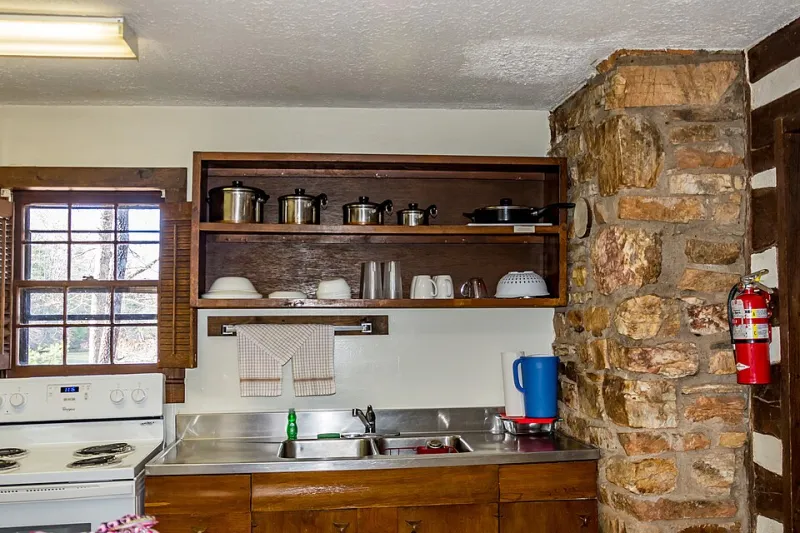
Photo: Virginia State Parks, CC BY 2.0, via Wikimedia Commons
A rental kitchen is not a showroom kitchen. It may be used by a series of tenants with different habits, different cleaning products and different expectations of what normal wear looks like. Stone can be an excellent choice for a buy-to-let property, but only when the specification is honest about maintenance, repair and the realities of turnover. Glamour is a poor substitute for a surface that can be lived with.
Start with the tenancy, not the brochure
The first question is not whether marble looks better than quartz. It is how the kitchen will be used and who will be responsible for upkeep. A small flat with a single occupant and a landlord who visits regularly is a different proposition from a shared house with heavy daily cooking. The stone should suit the tenancy pattern, the local water hardness, the ventilation and the likely cleaning regime. A surface that needs careful sealing and specialist cleaners may be appropriate in some homes, but it should not be chosen casually for a property where maintenance instructions are unlikely to be read.
Material and finish checklist
Engineered quartz and sintered stone are often favoured for rental kitchens because they are relatively consistent, non-porous in normal use and available in finishes that hide everyday marks. Granite is durable but varies in porosity and needs sensible sealing. Marble is beautiful but softer in household terms; it can etch when acids are left on the surface and can stain if spills are ignored. That does not rule marble out, but it does mean the landlord should expect more careful use and should provide clear guidance.
Finish matters as much as material. A polished surface shows dust, water marks and fine scratches in certain lights. A honed or matte finish is often more forgiving in a busy rental. Dark colours can show crumbs and limescale; very pale surfaces can show tea, wine and oil. A mid-tone or patterned surface may be the practical compromise. Edge profiles should be simple and robust. Deep mouldings and sharp arrises are more vulnerable to chipping than a modest eased edge.
Installation details that protect the deposit
A rental worktop should be specified with maintenance in mind. An undermount sink is easier to wipe around than an inset sink with a raised rim, but it must be properly fixed and sealed. Upstands are easier to clean than a bare plaster wall, while a full splashback may add another surface to maintain. Tap holes, waste openings and appliance gaps should be sealed correctly. Any silicone joints should be neat, continuous and suitable for the stone.
The landlord should also consider the practicalities of repair. A chip in a quartz edge may be repairable, but the colour match may not be invisible. A cracked marble worktop may be difficult to repair without a visible join. Before installation, it is worth asking the fabricator what repair options exist and whether any matching material will be retained. A small offcut stored safely can be more useful than a showroom guarantee that does not cover accidental damage.
Maintenance instructions and deposit disputes
Deposit disputes often arise from mismatched expectations rather than from neglect. The landlord expects the kitchen to look as it did at check-in; the tenant believes normal cooking has caused normal wear. A stone worktop should therefore be documented in the inventory and accompanied by simple, written care instructions. These should cover day-to-day cleaning, what to avoid, how to deal with spills and whether any sealing is required.
Tenants should ask for those instructions before signing. They should also ask what counts as fair wear and tear and what the landlord would treat as damage. Stone is not indestructible. A hot pan placed directly on a worktop, a heavy impact on an edge or a long-standing spill can all leave evidence. Clear guidance reduces the chance of a dispute later, and it gives the tenant a fair opportunity to look after the surface properly.
What tenants should ask
A tenant viewing a rental kitchen should look beyond the surface sheen. Ask what the worktop is made of, whether it needs sealing and which cleaners are suitable. Check the sink and tap area for poor sealing or movement. Look at edges and corners for chips. Ask whether chopping boards and trivets are provided, and whether the landlord expects the tenant to use them. If the property has hard water, ask how limescale should be removed without damaging the finish.
It is also reasonable to ask how repairs will be handled. If a small chip occurs, will the landlord arrange a repair, and will the tenant be charged? The answer should be recorded in the tenancy paperwork or inventory where possible. A tenant who understands the surface is more likely to report problems early rather than hide them.
What landlords should specify
For heavy-turnover homes, the strongest specification is usually modest rather than dramatic. Choose a material that suits the tenancy, a finish that tolerates everyday marks and an edge detail that resists chipping. Provide a small care sheet at check-in and keep a record of the stone type and any sealing schedule. Avoid specifying delicate surfaces in kitchens where the tenancy agreement places cleaning responsibility on people who have never owned stone before.
Honest specification is not about lowering standards. It is about matching the surface to the life it will lead. A rental kitchen stone worktop should look good on day one, but it should also remain serviceable after several changes of occupant. That balance is more valuable than a showroom finish that asks too much of everyone who lives with it.